Loading...
Nutrition
Addressing Malnutrition
Preventing Child Malnutrition | Enabling Early Recovery | Strengthening Community Nutrition Systems
Since 2014Tata MotorsPCMC
In partnership with

Tata Motors
Since 2014
3,825
Children Treated Directly
93,161
Community Members Reached
95–98%
Recovery Rate
10+
Years of Operation
Partner
Tata Motors
Since 2014
Coverage
PCMC
The Story
About this program
In the urban slum communities where we work, child malnutrition continues to be a persistent concern. Despite the presence of national nutrition schemes, many children under five remain underweight, stunted, or wasted due to poverty, food insecurity, limited dietary diversity, low maternal awareness, and gaps in consistent follow-up care. Local stakeholders and caregivers repeatedly highlighted that early signs of malnutrition often go unnoticed until the child's condition becomes severe.
We observed that families were either unaware of appropriate infant and young child feeding practices or lacked sustained support to implement them. In many cases, children identified as moderately or severely malnourished did not receive timely therapeutic intervention.
“In many cases, children identified as moderately or severely malnourished did not receive timely therapeutic intervention.”
Recognising this gap, we initiated Addressing Malnutrition in 2014 to create a structured, community-based model for early detection, therapeutic support, and sustained nutritional recovery.
On the ground
What this program does
Anthropometric screening and nutrition zone classification
Year-long therapeutic nutrition support for SAM and MAM children
Multivitamin and iron supplementation
Regular paediatric monitoring and medical oversight
Caregiver counselling on infant and young child feeding practices
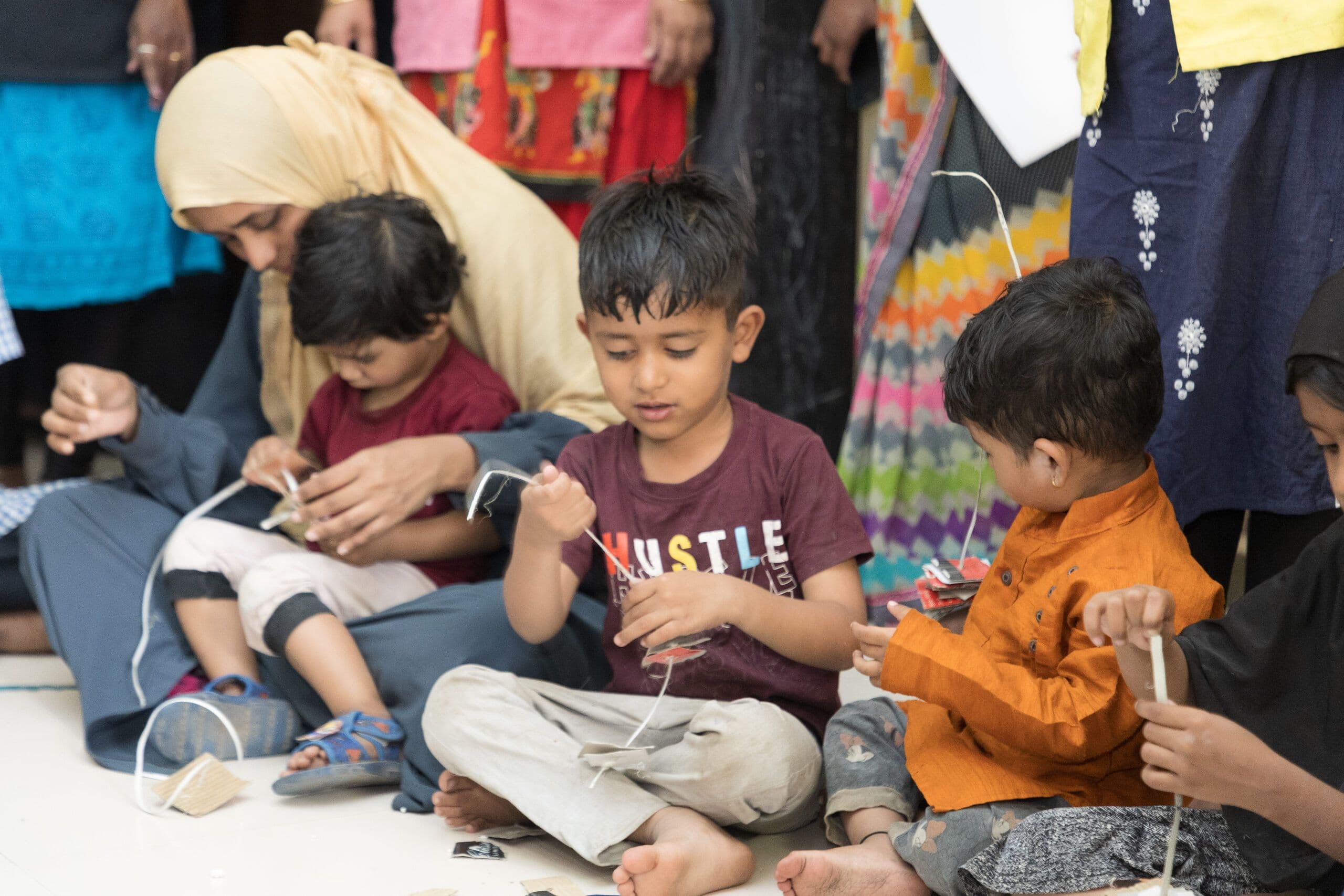
Community awareness through recipe sessions, street plays, and digital sessions
Coordination with ICDS and public health functionaries
Monitoring of vaccination, hygiene practices, and related health conditions
Story of impact
Anaya Ankush Gayakwad
Anaya was brought to our paediatric screening at 15 months of age. At the time of assessment, she weighed 8.3 kg and measured 76 cm in height, with a MUAC of 12.5 cm. Her family reported that she was unable to stand or sit independently and remained mostly in a lying posture. She refused semi-solid and solid foods, accepting only blended liquid preparations. The family had visited multiple healthcare centres with minimal improvement.
A detailed assessment revealed that her diet lacked diversity and caloric adequacy, primarily consisting of blended dal and rice. A dietitian was consulted, and a structured nutrition plan was introduced. The mother was advised to discontinue pureeing all foods and instead offer manually mashed preparations. A balanced diet including green leafy vegetables, chapati, bhakri, and diverse food groups was gradually introduced. Home-based stimulation support was also initiated.
The initial weeks were challenging, as Anaya refused most foods. However, with consistent follow-up and family engagement, gradual improvement was observed. She began chewing, accepted a wider variety of foods, became more active, and showed visible developmental progress. Over time, she started standing and walking with support.
Anaya's recovery reflects the importance of sustained therapeutic intervention combined with strong caregiver involvement and consistent monitoring.
Glimpses
From the field
Help us keep Addressing Malnutrition going
Your support directly funds program activities and helps us reach more children and families.